


Roy Emerson: In the Right Place at the Right Time
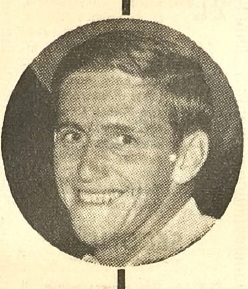
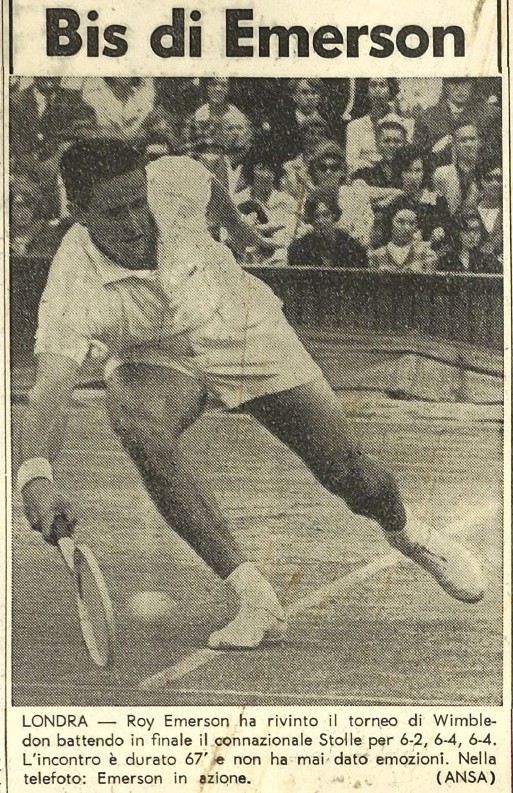
Only four tennis players in history have achieved the feat of winning every Grand Slam singles title at least twice: Rod Laver, Rafael Nadal, Novak Đoković, and Roy Emerson. The record-holder for total titles (28), the Australian Emerson is the only player to have won all the Grand Slam tournaments in both singles and doubles, and before the advent of Nole, he also held the record for wins at the Australian Open (6). So why does Roy Emerson’s name almost never come up when fans rack their brains trying to determine who the greatest players of all time in this sport are? “Our own” Gianni Clerici attempted to provide an answer; during the 1960s, he watched “Emmo” repeatedly crush the competition and sweep up titles.
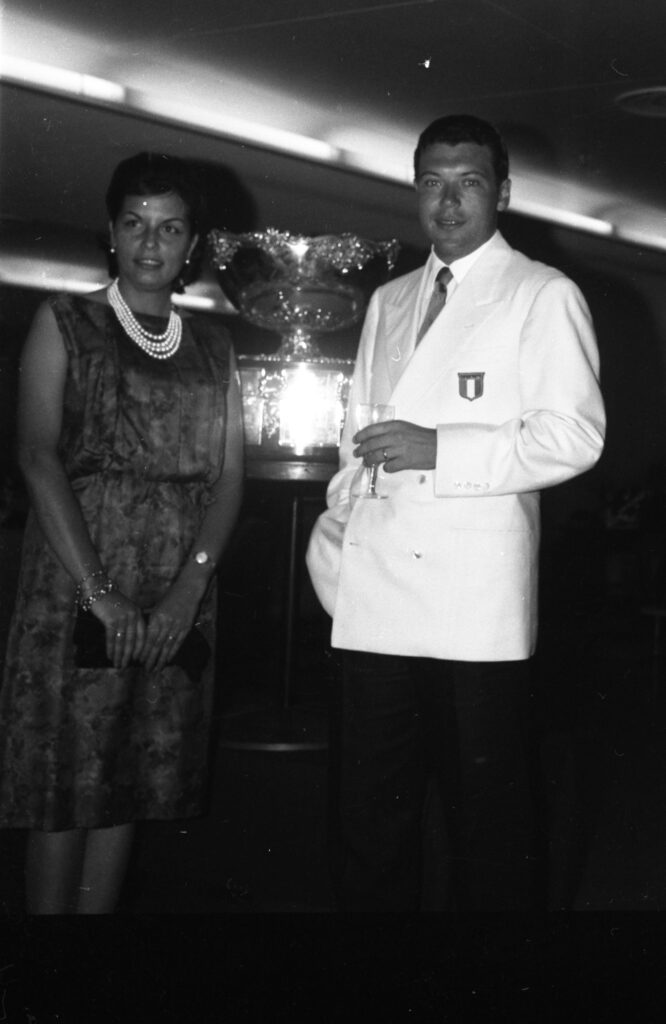
In the pages of Il Giorno in December 1961, just a few hours before the Davis Cup final between Australia and Italy at Kooyong Stadium in Melbourne, the “scribe” Clerici, intent on reviewing the opponents of the Italian team (which also included the names of Rod Laver and Neale Fraser), described in these terms the technical characteristics of the then 25-year-old native of Blackbutt, Queensland, making no secret of the low regard in which he held him:
Emerson plays flat forehands and backhands, and steps in whenever he can; his intentions are always obvious, and his strength lies in playing so quickly that his opponent, even when aware of his moves, cannot react in time. This style works perfectly when Roy is at his best and playing calmly; however, even a slight hesitation is enough to slow him down, and then the Australian becomes extremely vulnerable, and his repetitive patterns are easily countered.
All well-founded and reasonable observations, intended to foster a sense of optimism among the loyal readers of the Milanese publication—except that, when all was said and done, Roy Emerson ended up losing that Davis Cup tie having dropped only one (!) of the thirteen sets played in singles and doubles against the versatile Italian duo of Pietrangeli and Sirola. In short, an Emerson in total control, quite different from the one seen against Pietrangeli a few months earlier on the center court of the Circolo della Stampa in Turin, during the Italian Open in May 1961, where his hopes had been dashed in the semifinals against a Nick in top form, who would later also defeat Laver to claim the trophy. The account provided by Clerici is one to remember:
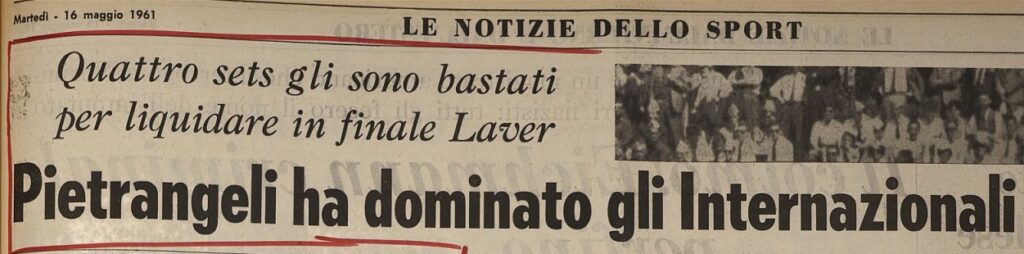
Emerson, looking completely serious, has a face creased with lines of concentration: he has won the Australian Open; he no longer feels like the doubles player—always and only doubles, always the reserve condemned to play in Davis Cup matches when the tie is already won. He begins, pushing the pace to the limit, attacking hard, following his serve with a swaying motion, finishing with a precise “slice” that sends the ball to the exact same spot, where the white lines form a right angle; once at the net, he hits “volleys” as clean and precise as a parted hairline—which he miraculously keeps intact, despite all that lunging.
With this brilliant, albeit rudimentary, play, it quickly becomes 4–2, and everyone wonders how it will end: meanwhile Nicola has first warmed up, then actually heated up—what am I saying?—blazed, if one judges by the temperature of the ‘passing shots’ that begin to rain down on the poor Australian: blazing-hot balls, whistling and explosive, that pierce, tear through, rip apart, leaving Emerson in tatters like a sentry at an exploded powder magazine.
Battered but still willing, the Australian comes up with this idea in his blimp-sized head: ‘What if I tried to play it straight? What if I dug in back here, waging a war of attrition? Maybe I could tire him out, pick him off when he comes forward.’
No sooner said than done; he begins lifting “asphyxiated” lobs that drop and squash down soft, almost as if they were cream puffs. For a brief moment, Nicola suffers from the change in rhythm: then, having found his timing, he begins a festival of “celebratory” balls that give the enemy a proper stuffing. He quickly fights back and hands him another 6-4. What can poor Emerson do now?
Nicola Pietrangeli himself, interviewed in 2023 by Enzo Anderloni, recalled his matches with Roy Emerson this way: “I liked playing against him because he would systematically rush the net and fall victim to my lob. He would serve, make the first volley, and then literally glue himself to the net. And I would regularly ‘lob’ him.”
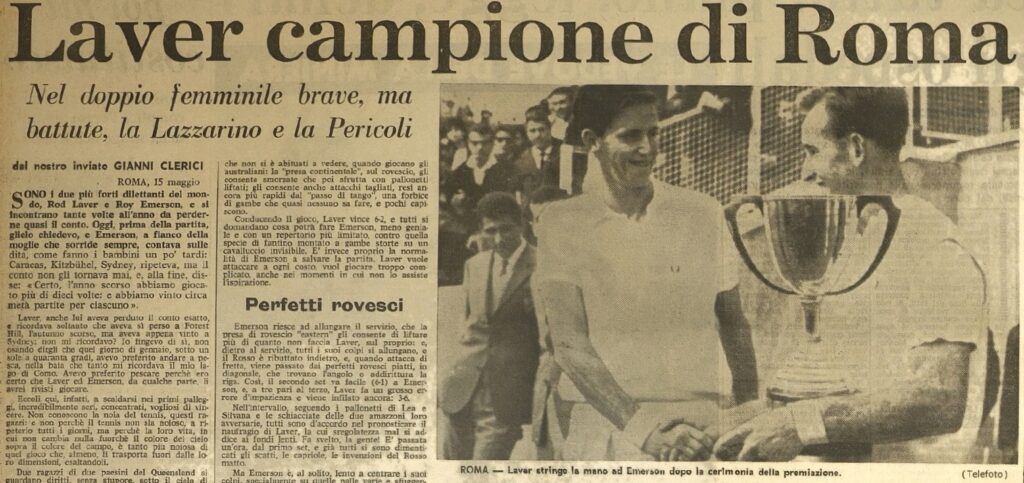
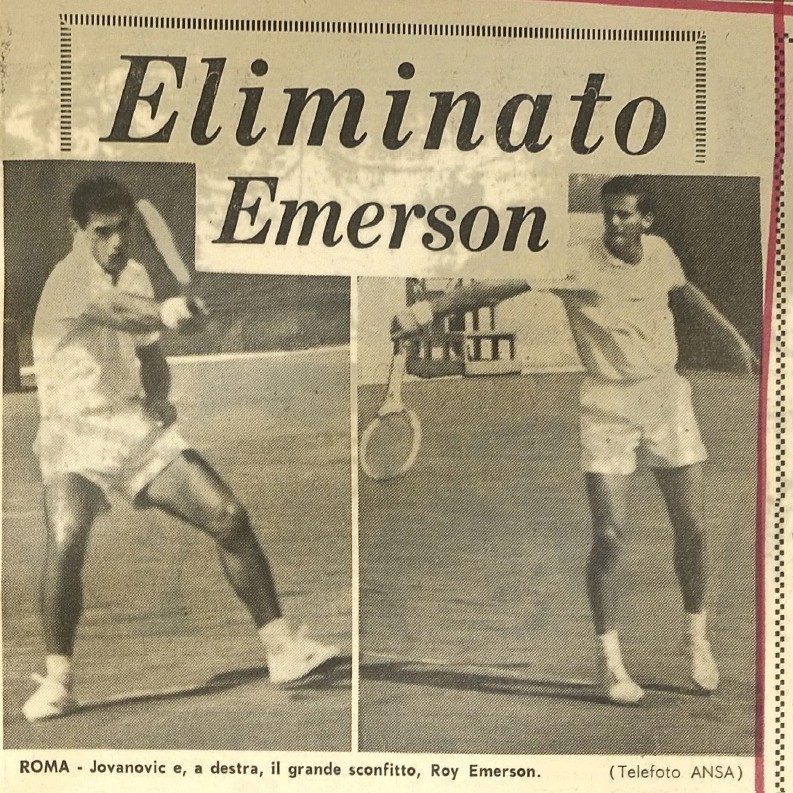
The Italian Open would remain a true taboo for Emerson, stopped in the final by his countryman Rod Laver in 1962 and in the semifinals by Boro Jovanović the following year—this despite the bookmakers naming him the absolute favorite. This was reported by Clerici himself (May 5, 1963: From today the “Internazionali” with Emerson as great favorite), who does not spare a jab at the Australian, whom he considered an unworthy beneficiary of an uncontested leadership—the result of the mass exodus of tennis players toward the “golden paradise” of professionalism:
With Laver gone to the pros, where Hoad and Rosewall dominate him, Emerson has therefore automatically become the best amateur in the world: and he is getting paid back with interest for his failed transition to Kramer’s troupe. Now is not the time to point out the anachronism and hypocrisy of regulations that allow all this to happen: one must only note that the best among the amateurs could be beaten by at least six professionals if Rome were an “open” tournament.
Clerici doubled down the following year ahead of Wimbledon, insisting on the meager merits of the Australian, who had stubbornly managed to occupy the power vacuum left by the likes of Hoad, Rosewall, and Laver:
Ever since Laver turned professional, Roy Emerson has been the strongest tennis player in the world. His is certainly not the superiority of a legendary champion who leaves a personal mark on a period of tennis history: but it is enough to win the right race at the right time. It is not that Emerson is so much stronger than his opponents: his margin of safety is minimal.
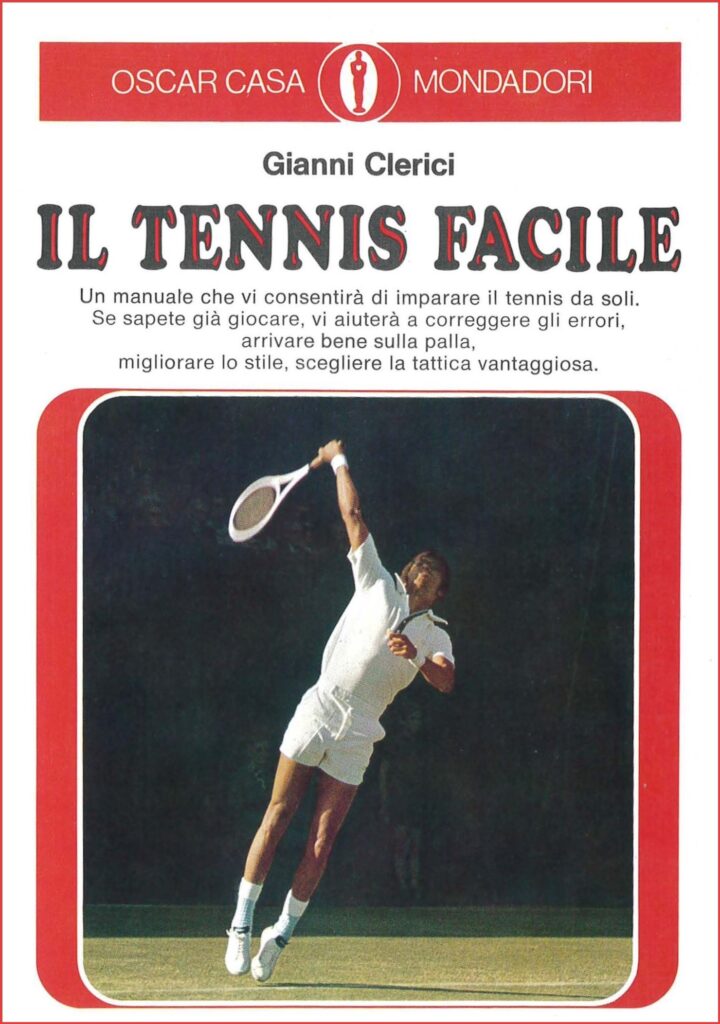
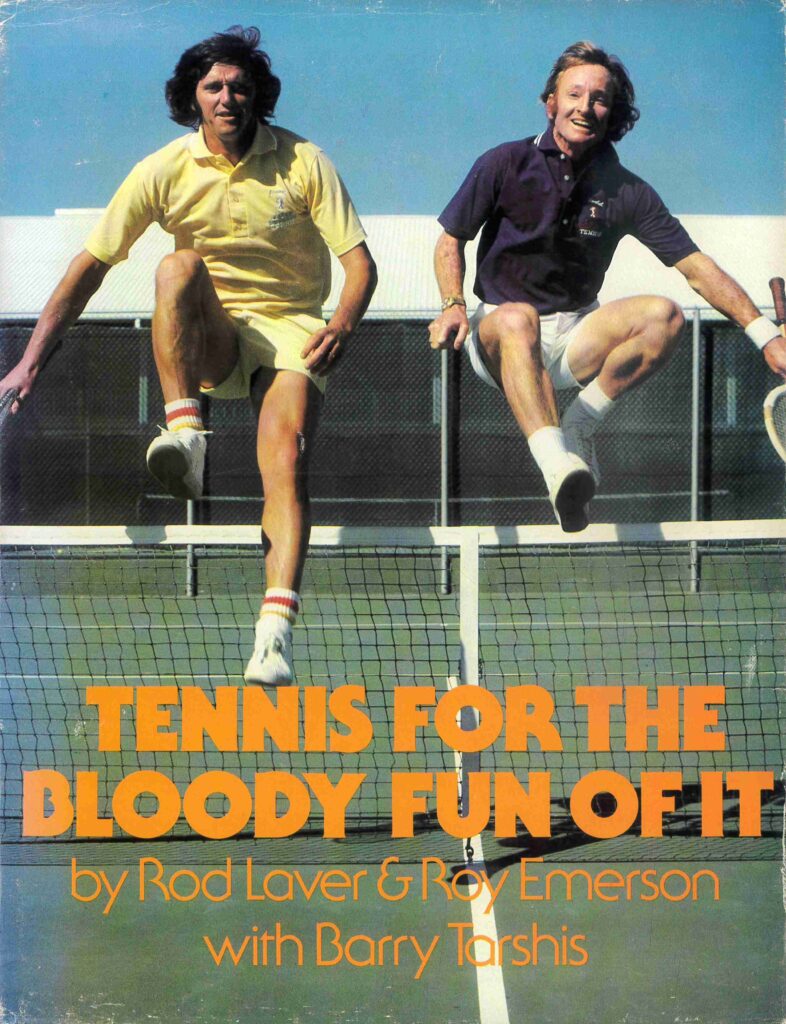
Although Gianni Clerici was not too fond of Emerson’s style of play, a curious point of contact exists between the two: both contributed to the writing of tennis manuals, providing technical basics and posing for the accompanying images. In 1972, Il tennis facile was released, a tennis handbook published by Clerici for Mondadori Editore, in which the author also acts as a model, demonstrating correct posture, various racket grips, and different ways of hitting the ball. Similarly, in 1976, Tennis for the Bloody Fun of It was released, written in collaboration with Barry Tarshis and starring Rod Laver and Roy Emerson: in the text, the two Australian champions illustrate the main techniques, offering advice and secrets on how best to approach the most beloved racket-and-ball game in the world.